
Ultra-low density
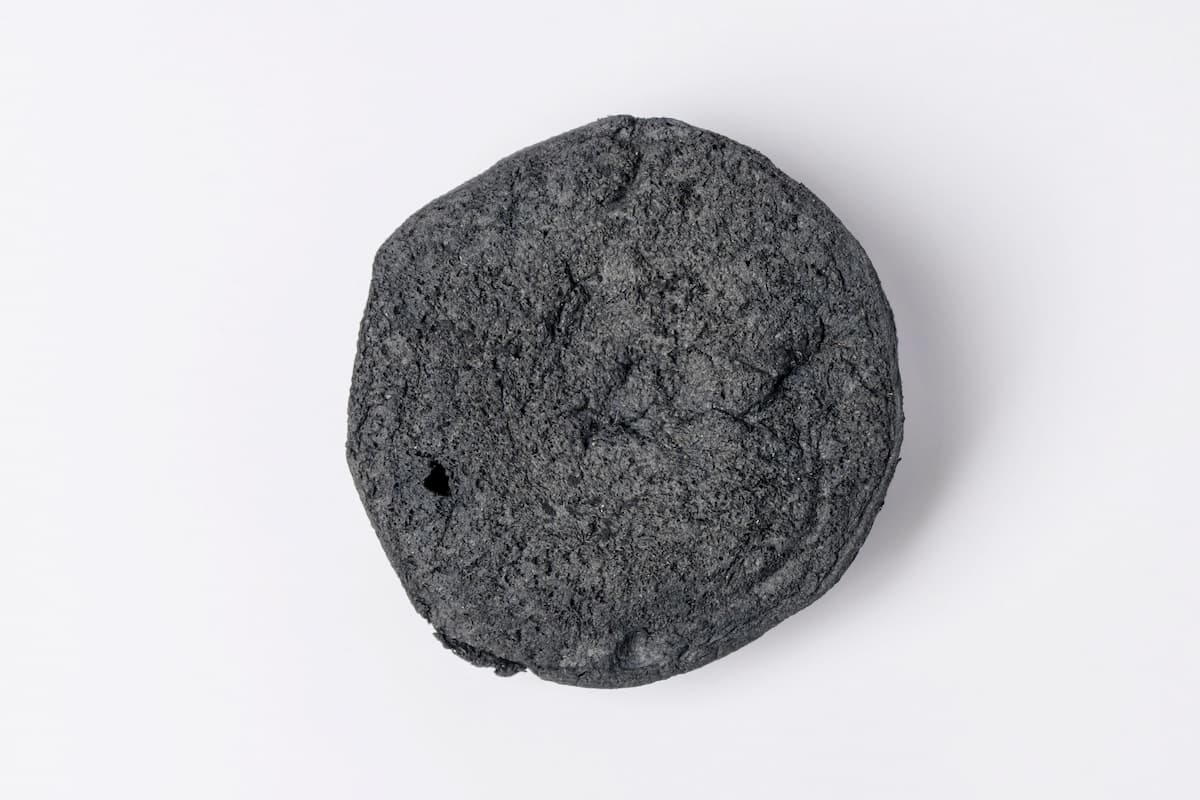
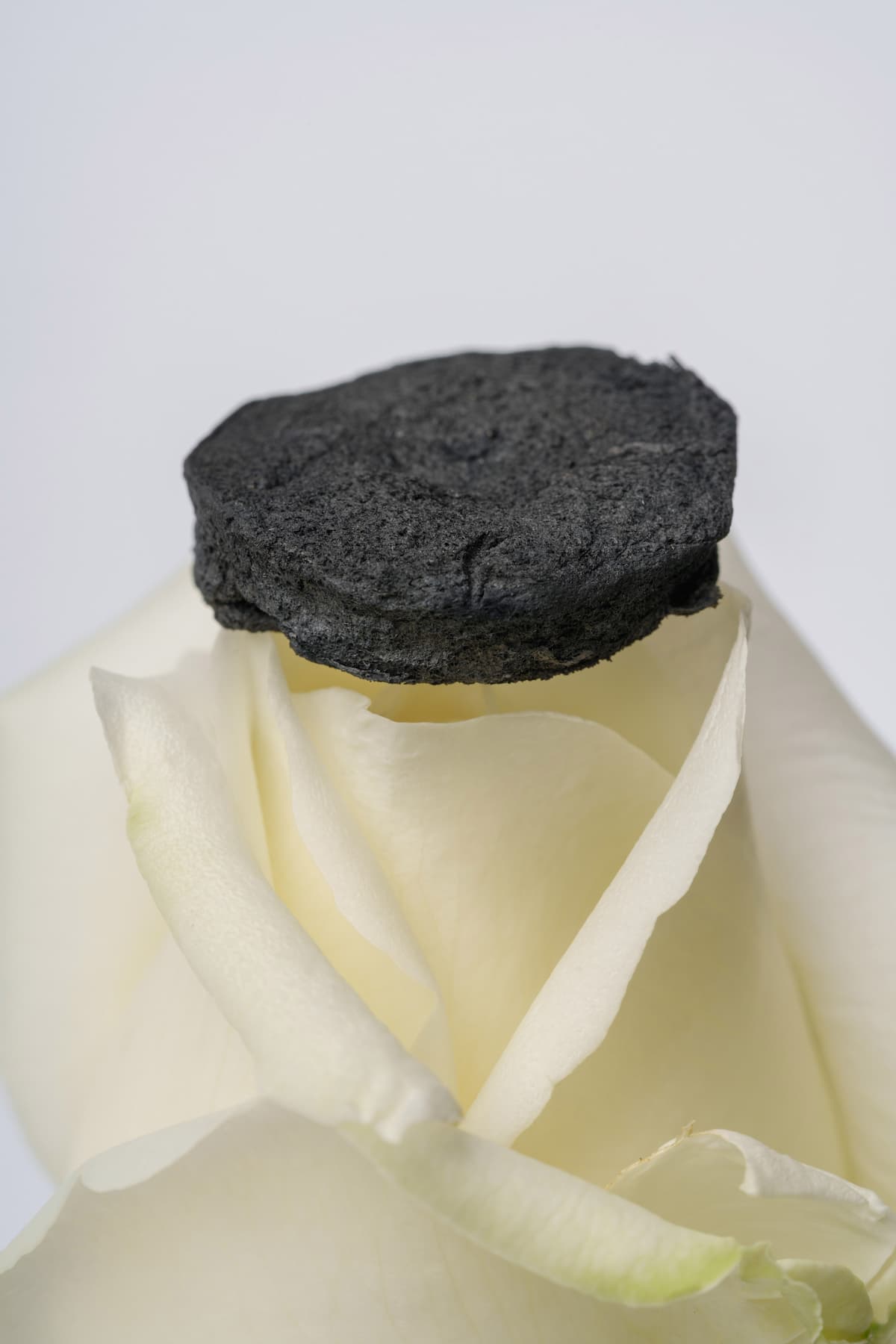
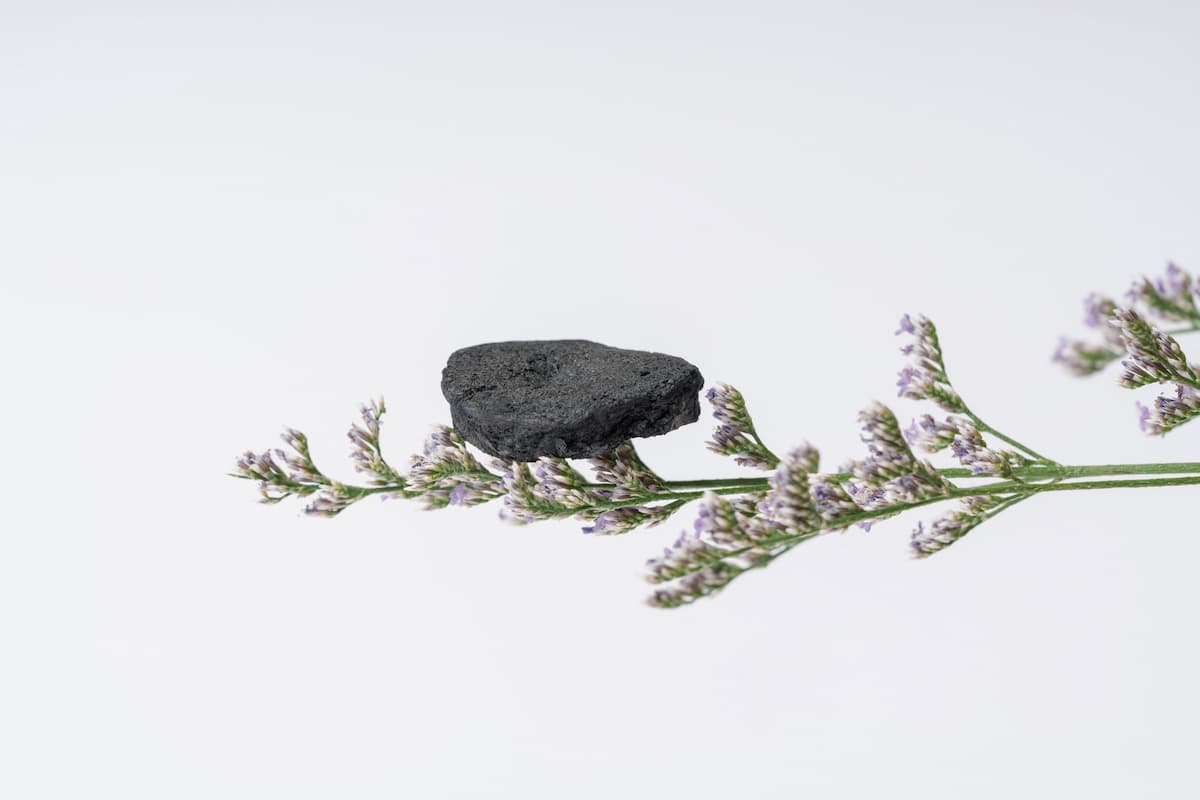
A porous carbon skeleton that is mostly air by volume, while remaining a self-supporting solid object.
Ultra-low-density carbon monoliths for thermal management, electromagnetic shielding, energy storage and adsorption research — synthesised and supplied by Chiang Mai Materials Science.

Aerogels are among the lowest-density solids known. When the network is graphene, the result is a material that is simultaneously porous, electrically conductive and thermally stable — a rare combination that makes it useful where weight and heat are the limiting factors.
A porous carbon skeleton that is mostly air by volume, while remaining a self-supporting solid object.
Carbon networks tolerate high temperatures and harsh chemical environments far better than polymer foams.
A continuous graphene network conducts electricity, enabling use in electrodes, sensors and shielding.
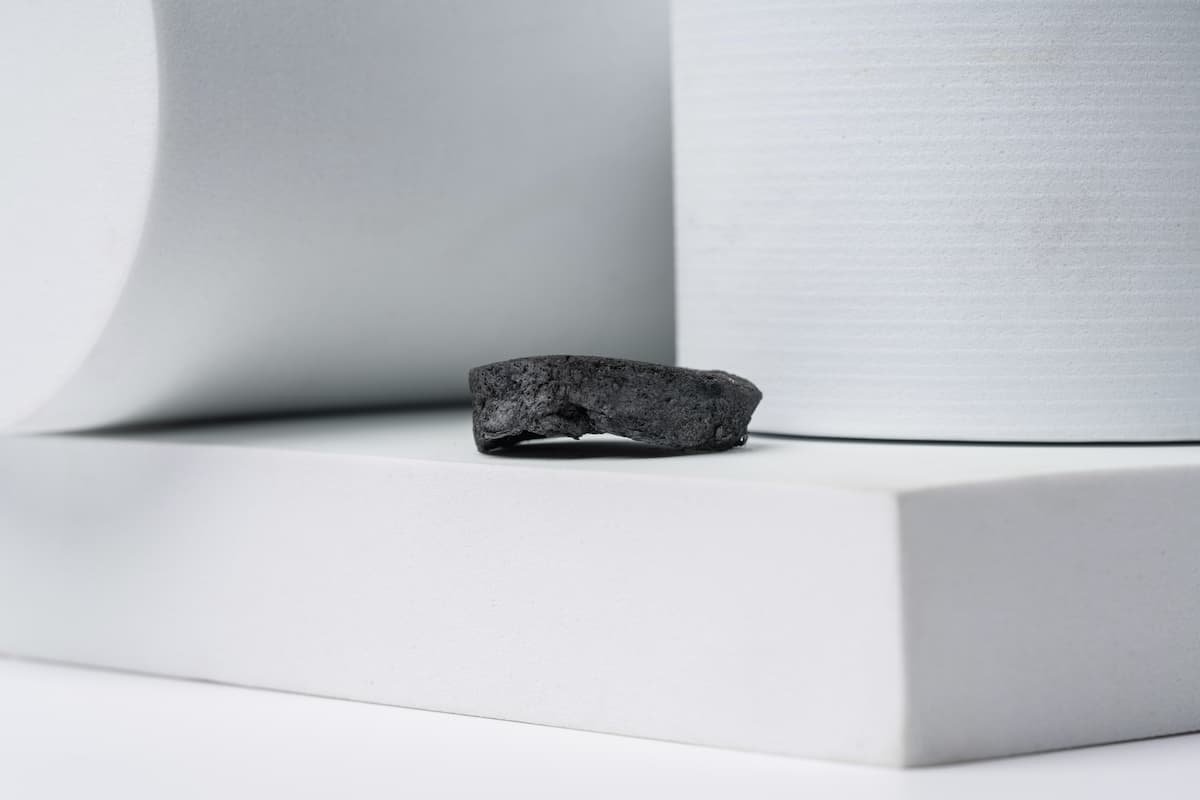
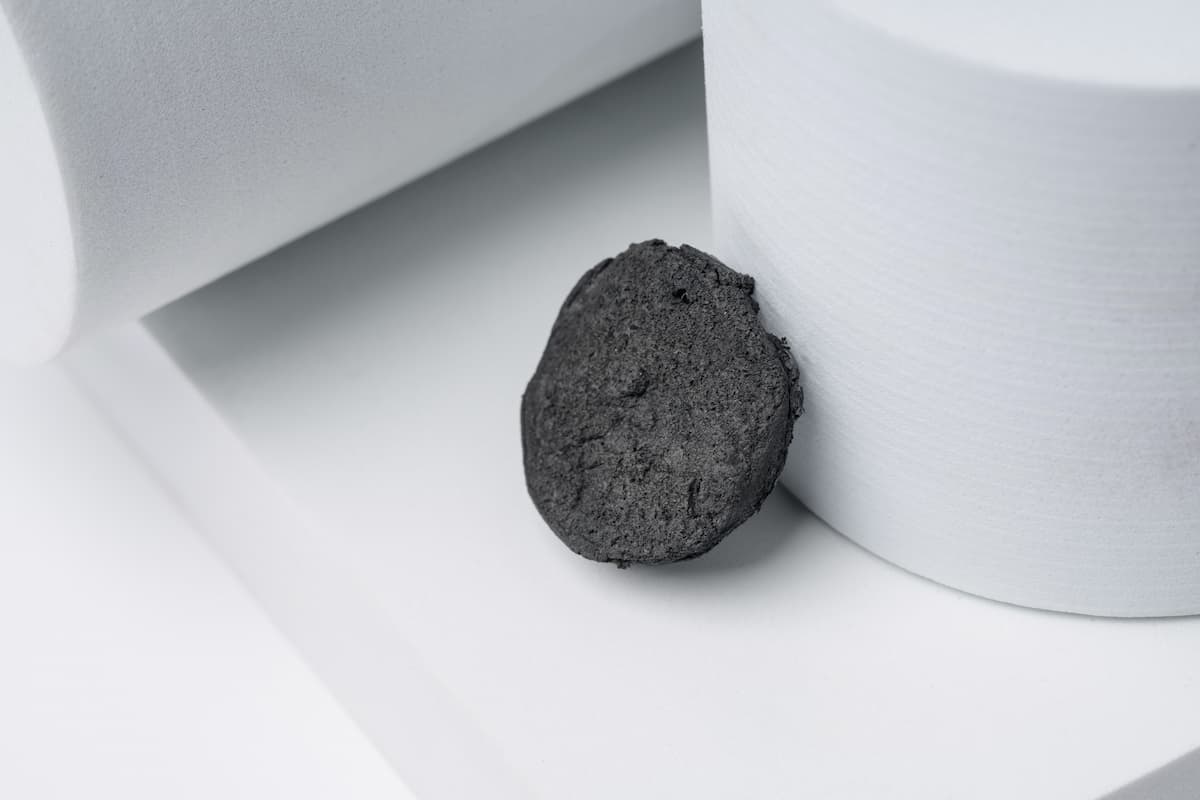
Discs, cylinders and custom shapes produced to the dimensions your application requires.

Supplied as free-standing porous solids, machinable and handleable, with the internal surface area that makes aerogels attractive for adsorption, catalysis support and electrode work.
Insulation and heat spreading in confined spaces where weight and thickness are constrained.
Conductive carbon networks attenuate electromagnetic interference in electronics packaging.
Electrode structures for supercapacitors and battery research, where porosity drives performance.
High internal surface area for oil, solvent and pollutant uptake and catalyst support.
Reproducible sample sets for materials science, chemistry and physics laboratories.
Lightweight conductive filler for polymer and ceramic composite development.
Send us your required dimensions, quantity and application. We will reply with availability, pricing and lead time.